
How Interest Rates and Home Prices Affect Your New Purchase
Interest rates and home prices share an inverse relationship where rising mortgage rates typically cool buyer demand, leading to slower price growth or stagnation. Conversely, lower interest rates increase purchasing power, often driving prices higher as competition intensifies. Navigating this balance is essential for new home buyers to maximize their long-term affordability.
Why do interest rates and home prices move together?
The relationship between interest rates and home prices is one of the most fundamental drivers of the real estate market. In a standard economic model, when the cost of borrowing money increases, the total amount a buyer can afford to pay for a property decreases. This happens because most buyers focus on their monthly mortgage payment rather than the total sticker price of the home.
When interest rates climb, a larger portion of that monthly payment goes toward interest rather than the principal balance. This effectively reduces a buyer's "purchasing power." If a buyer has a strict budget of $2,500 per month, a 2% increase in interest rates might mean they have to look for a home priced $50,000 lower than they previously planned. When many buyers are forced to lower their budgets simultaneously, sellers often have to adjust their asking prices to attract interest, which exerts downward pressure on the market.
However, it is important to note that this relationship is not always perfectly linear. Other factors, such as housing supply, employment rates, and local migration patterns, can override the impact of interest rates. In high-demand areas like Florida, prices may remain resilient even when rates rise because the influx of new residents creates a persistent shortage of available homes. Understanding this nuance is key for anyone visiting our Home Page to start their property search.

How interest rates impact your monthly mortgage payment
For most first-time buyers, the monthly payment is the most critical number in the home-buying process. Interest rates are the primary lever that controls this number. Even a small fluctuation of 0.5% in a mortgage rate can result in hundreds of dollars of difference every month and tens of thousands of dollars over the life of a 30-year loan.
Consider the following impacts of rate changes:
- Higher monthly costs : Rising rates immediately increase the debt-to-income ratio for buyers.
- Long-term interest expense : A higher rate means you pay significantly more for the house over 30 years.
- Qualification hurdles : Lenders use current rates to determine if you qualify for a specific loan amount.
- Refinancing potential : Buying when rates are high often comes with the hope of refinancing later.
- Down payment pressure : Higher rates might require a larger down payment to keep monthly costs manageable.
When rates are low, money is "cheap," which encourages people to take on larger mortgages. This surge in activity often leads to bidding wars, which can quickly inflate home prices. As a buyer, you must decide whether you prefer a higher price with a lower rate or a lower price with a higher rate. Historically, the latter is often more beneficial because you can eventually refinance a high rate, but you can never change the purchase price of the home.
What happens to home prices when interest rates fall?
When interest rates fall, the real estate market typically experiences a surge in activity. Lower rates make homeownership more accessible to a broader range of people, increasing the pool of potential buyers. As more people enter the market, the demand for housing rises. If the supply of homes does not increase at the same pace, this heightened demand naturally pushes home prices upward.
This phenomenon is often seen during economic recoveries. The federal government may lower rates to stimulate spending, and the housing market is usually one of the first sectors to respond. For new home buyers, a period of falling rates can be a double-edged sword. While your monthly payment might be lower for the same loan amount, you may find yourself competing against ten other offers, leading to price escalations that could negate the savings from the lower rate.
The psychology of the "Wait-and-See" buyer
Many buyers fall into the trap of waiting for the "perfect" moment when both interest rates and home prices are low. In reality, these two metrics rarely hit their floor at the same time. If rates drop significantly, buyers who were on the sidelines rush back into the market, creating the very competition that drives prices up. Being prepared with a pre-approval from a reputable lender is the best way to act quickly when the right opportunity arises.
Understanding the "Lock-In" effect on housing inventory
A unique challenge in the 2026 housing market is the "lock-in" effect. This occurs when current homeowners have existing mortgages at very low rates (perhaps from the 2020-2021 era) and are reluctant to sell because they would have to trade their 3% rate for a 6% or 7% rate on a new home.
This creates a stagnation in inventory. Since fewer people are moving, there are fewer "resale" homes on the market. This lack of supply keeps home prices elevated, even if interest rates are high. For a new home buyer, this means you might be looking more toward new construction developments, which often have their own pricing models and incentives that differ from the traditional resale market.

Should I buy now or wait for rates to drop?
The decision to buy now or wait is the most common question for new home buyers. While no one can predict the market with 100% certainty, there are several factors to consider. If you find a home that fits your needs and your budget, waiting for a lower interest rate can be a risky gamble. If rates do drop, home prices will likely rise, and you may end up paying more for the same house later.
Furthermore, when you buy now, you begin building equity immediately. Every month you spend renting is a month where you are not paying down your own mortgage principal. If rates do decrease in the future, you often have the option to refinance your loan to the lower rate, effectively getting the best of both worlds: a lower purchase price and a lower interest rate.
Key considerations for buying in the current climate:
- Market Stability : Look for areas with consistent growth rather than speculative bubbles.
- Financial Readiness : Ensure you have an emergency fund beyond your down payment.
- Time Horizon : If you plan to stay in the home for 7-10 years, short-term market fluctuations matter less.
- Negotiation Power : In a higher-rate environment, sellers may be more willing to cover closing costs.
- Loan Products : Explore adjustable-rate mortgages (ARMs) if you plan to move or refinance soon.
Practical strategies for new home buyers in 2026
Navigating the 2026 market requires a blend of financial discipline and strategic thinking. One of the most effective strategies is to look for "rate buy-downs." Some sellers or builders offer to pay a lump sum to the lender to lower your interest rate for the first few years of the loan. This can significantly improve your cash flow in the early years of homeownership.
Another strategy is to focus on the "total cost of ownership." This includes not just the mortgage, but also property taxes, insurance (which is a significant factor in Florida), and maintenance. Sometimes, a slightly more expensive home with newer systems (like a new roof or HVAC) is a better financial move than a cheaper home that requires immediate, high-cost repairs.
Is the Florida market different from the national average?
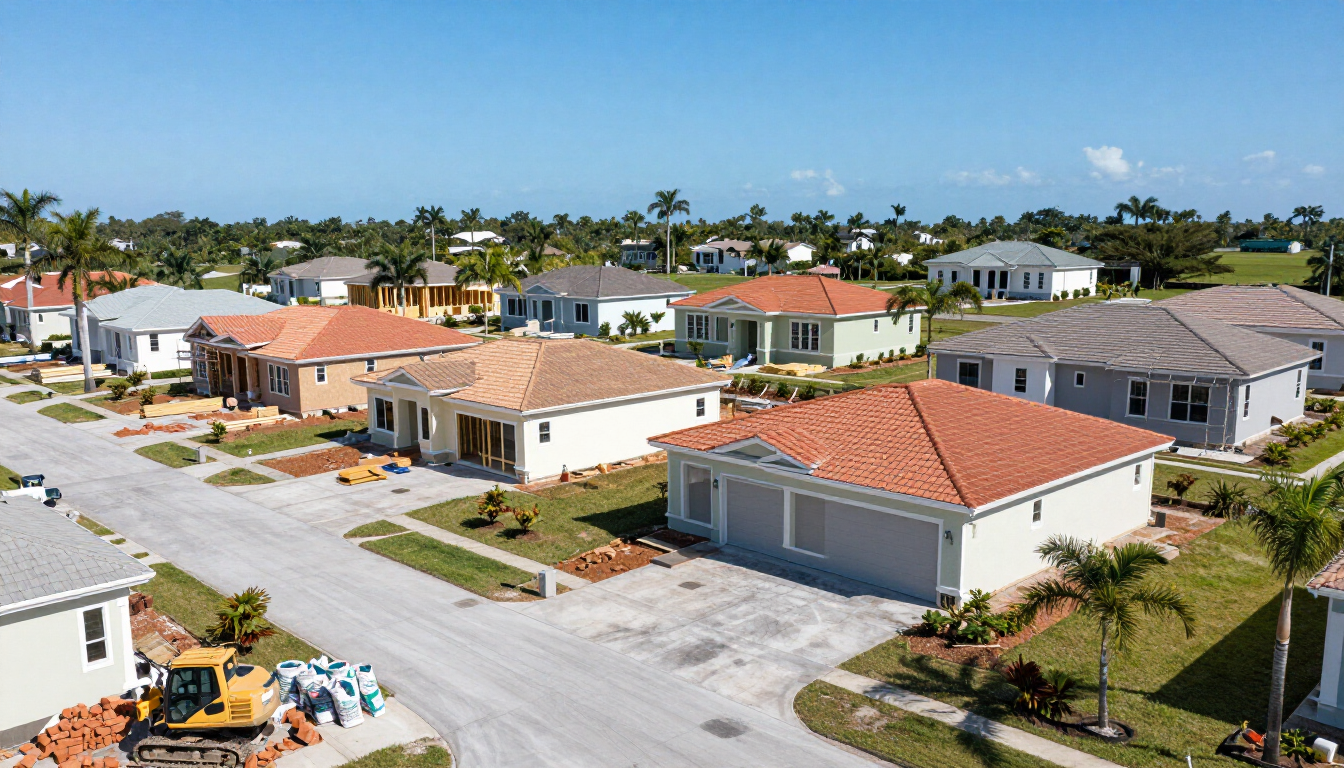
Florida's real estate market often marches to the beat of its own drum. While national trends provide a general framework, Florida experiences unique pressures such as high internal migration and a significant retiree population. These factors often keep demand high even when the national market cools. For new buyers, this means that waiting for a significant price drop in Florida might be less fruitful than in other parts of the country.
Additionally, Florida's insurance landscape plays a massive role in affordability. While interest rates affect your loan, insurance premiums affect your total monthly escrow. It is vital to work with a local expert who understands these regional nuances and can help you navigate the specific costs associated with living in the Sunshine State.
Summary of Key Takeaways
To succeed as a new home buyer in a market defined by fluctuating interest rates and home prices, keep these points in mind:
- Inverse Relationship : Rates and prices usually move in opposite directions, but supply issues can disrupt this.
- Purchasing Power : Focus on your monthly budget rather than the total price to find your true affordability.
- Refinancing Strategy : You can change your interest rate later, but your purchase price is permanent.
- Inventory Trends : The "lock-in" effect may limit resale options, making new construction a viable alternative.
- Local Expertise : Always consult with a Florida-based professional to understand regional taxes and insurance costs.
Ultimately, the best time to buy a home is when you are financially prepared and have found a property that meets your long-term goals. While market timing is a popular topic, time in the market is almost always more profitable than timing the market. For more information on how to start your journey, feel free to explore the resources on our Home Page .