Building vs Buying a New Home: Costs Compared (2026)
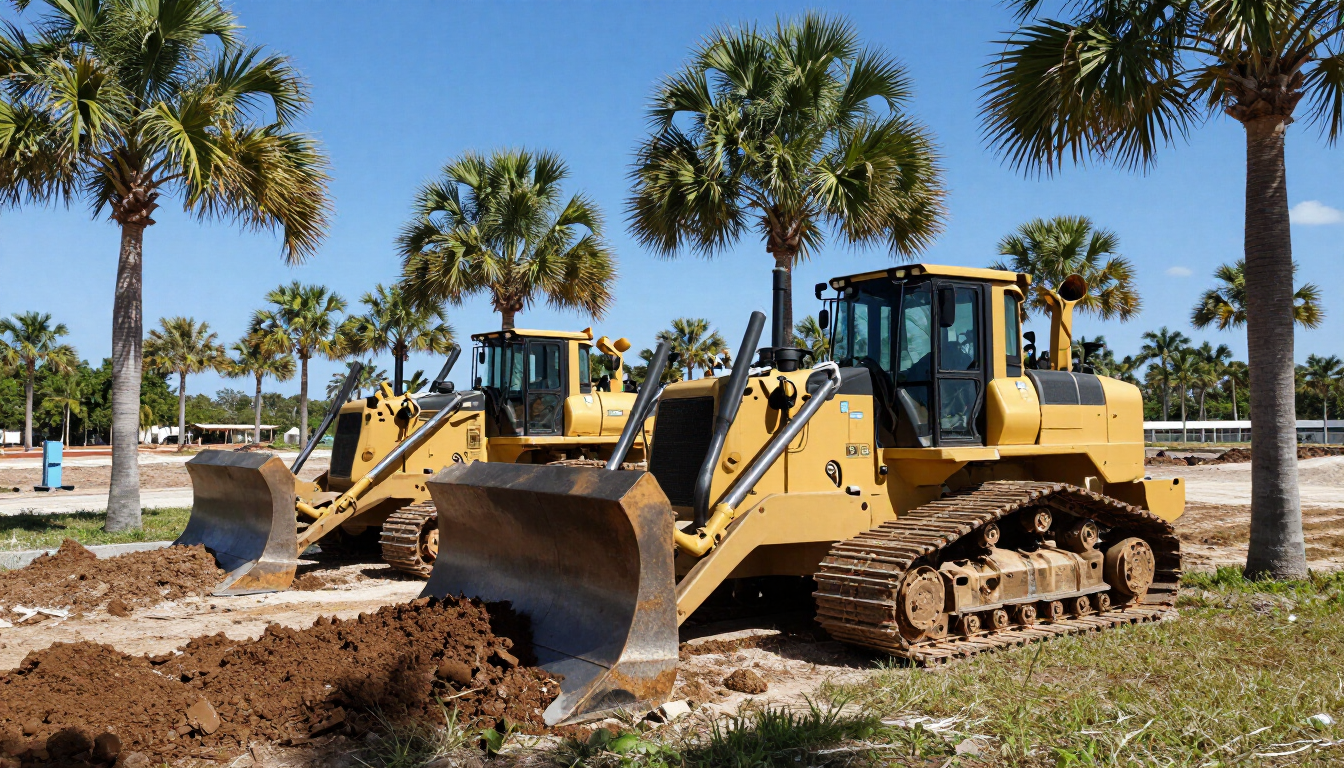
Building on raw land is typically more expensive and complex than buying a newly constructed home. While a new build in a development has a predictable price, raw land requires significant additional investment in site preparation, utility connections, permitting, and impact fees, often totaling tens of thousands before construction starts.
Is it cheaper to build on raw land or buy a new home?
When evaluating the financial landscape of the Florida real estate market, many buyers find themselves at a crossroads: do they purchase a finished product from a developer, or do they start from scratch on a pristine piece of land? On the surface, the price tag of a vacant lot might seem like a steal. However, the true cost of building on raw land involves a series of "soft costs" and infrastructure requirements that are already bundled into the price of a newly constructed home in a planned community.
In a standard new construction purchase, the builder has already absorbed the costs of land acquisition, environmental testing, clearing, and grading. They have also negotiated bulk rates for materials and labor. Conversely, building on raw land means you are acting as your own mini-developer. You must account for the following primary cost drivers:
- Land clearing and grading for proper drainage.
- Extending utility lines (water, sewer, electricity) to the site.
- Professional fees for architects, engineers, and surveyors.
- County-specific impact fees for infrastructure and schools.
- Higher interest rates on construction-to-permanent loans.
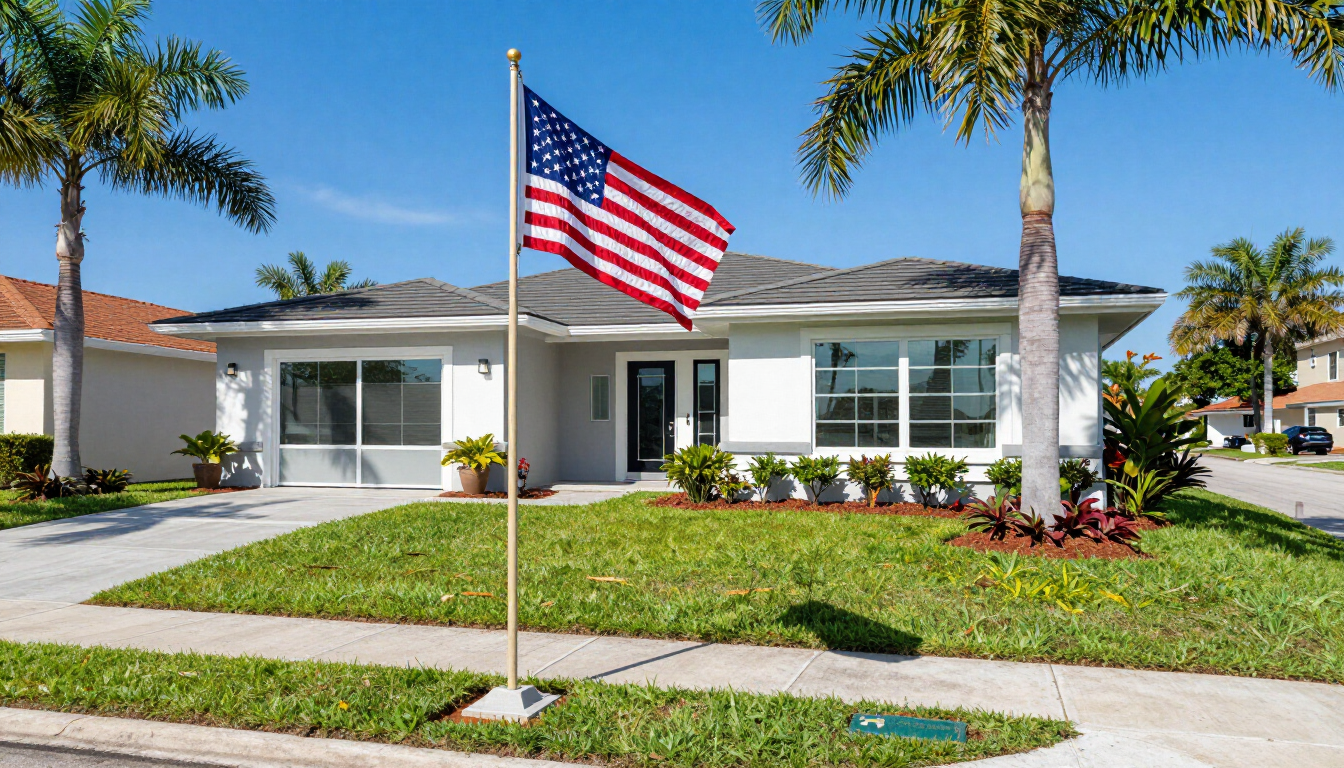
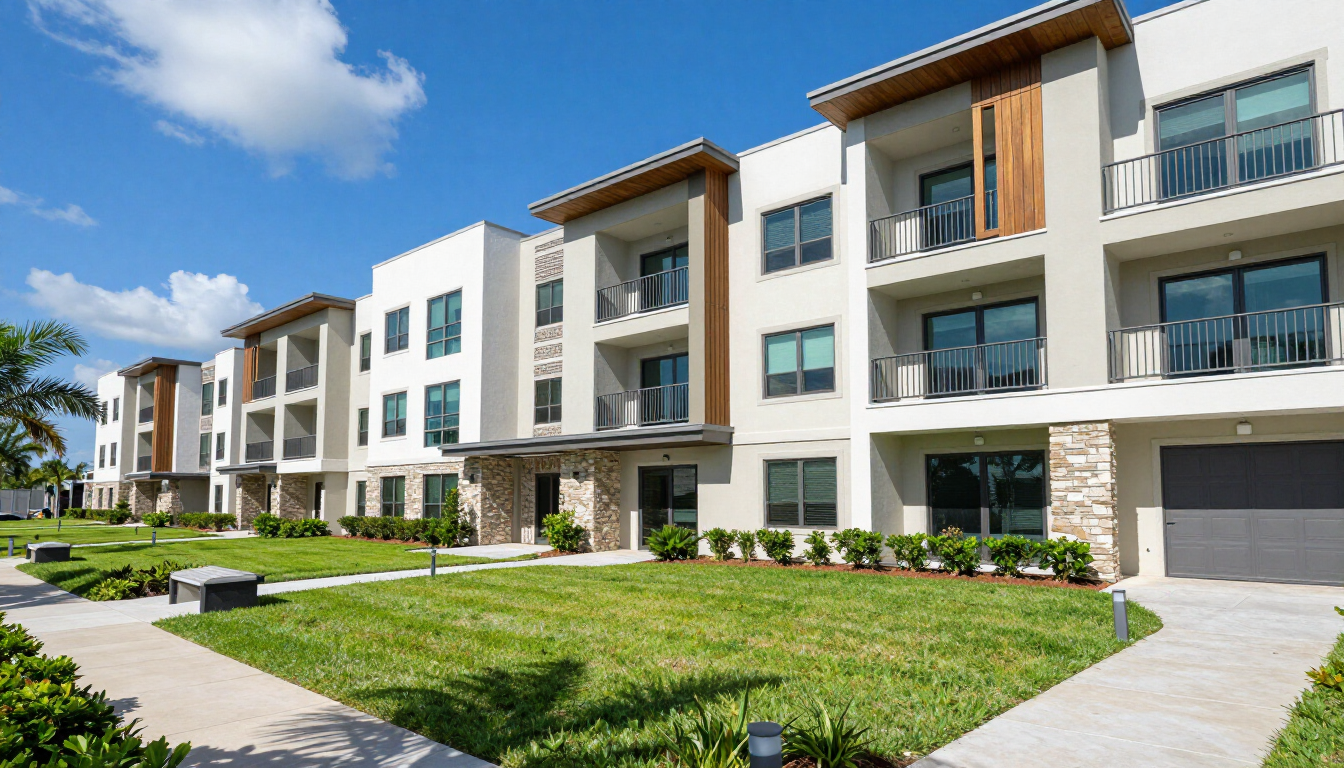
For many New Home Buyers , the convenience of a turnkey property outweighs the creative freedom of raw land. When you buy a home that is already part of a subdivision, the infrastructure is a shared cost among hundreds of homeowners, which significantly lowers your individual financial burden compared to a standalone project.
What are the hidden costs of building on raw land?
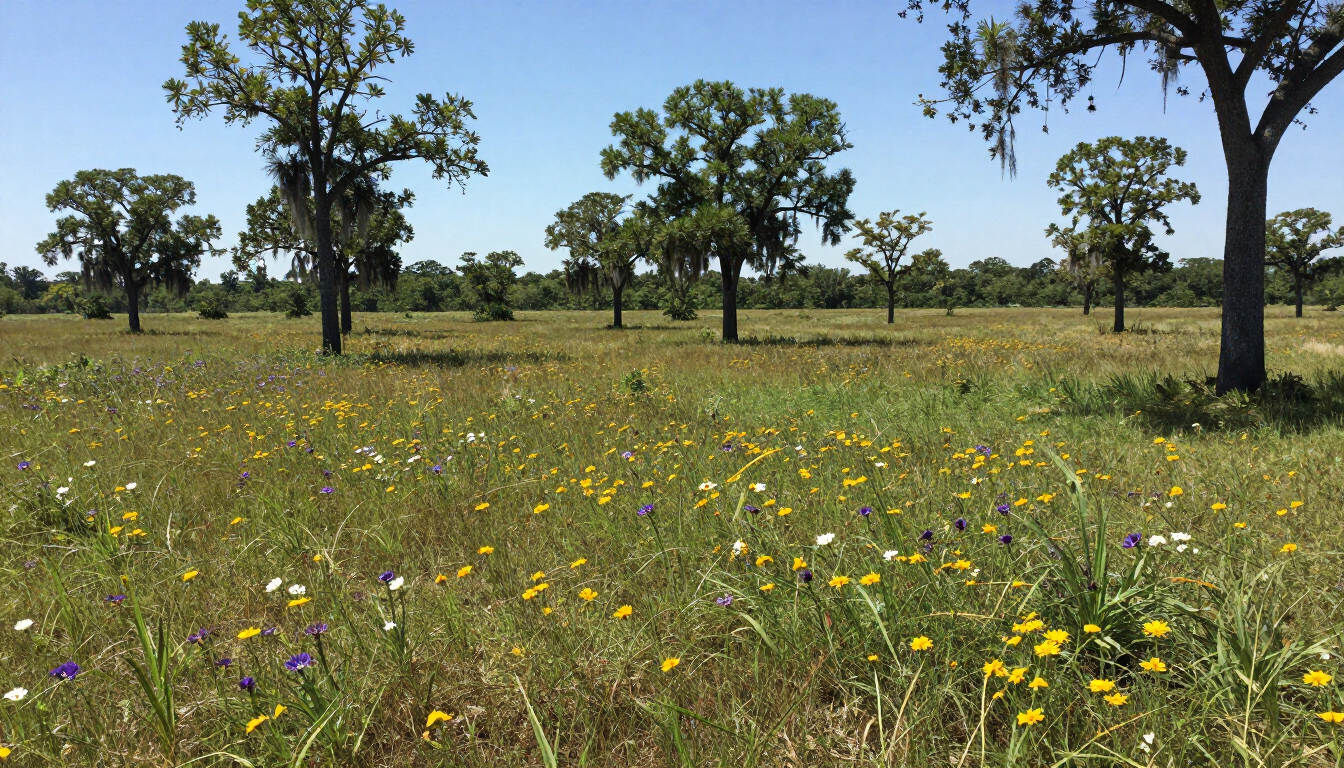
The term "raw land" is literal; it is land in its natural state, which is rarely ready for a foundation. In Florida, the hidden costs often begin with environmental and soil testing. Because our terrain can be sandy or swampy, you may need to pay for soil borings to ensure the ground can support a structure. If the soil is unstable, you might need to import thousands of dollars worth of structural fill dirt.
Another significant hidden expense is utility hookups. If your raw land is far from the main road, the cost to run power lines or a water main can be staggering. Some rural Florida properties require a septic system and a well. While this avoids monthly utility bills later, the upfront cost for a high-quality septic tank and deep-water well can range from $15,000 to $30,000. These are costs you simply don't see when you find a home that is move-in ready.
Permitting and impact fees are the final "silent killers" of a raw land budget. In many Florida counties, impact fees—which help the local government pay for the increased demand on roads, parks, and emergency services—can exceed $10,000 to $20,000 per single-family residence. When you buy a newly constructed home, these fees are usually baked into the purchase price, but on raw land, they are a separate, mandatory out-of-pocket expense before you even pull a building permit.
Advantages of Purchasing a Newly Constructed Home
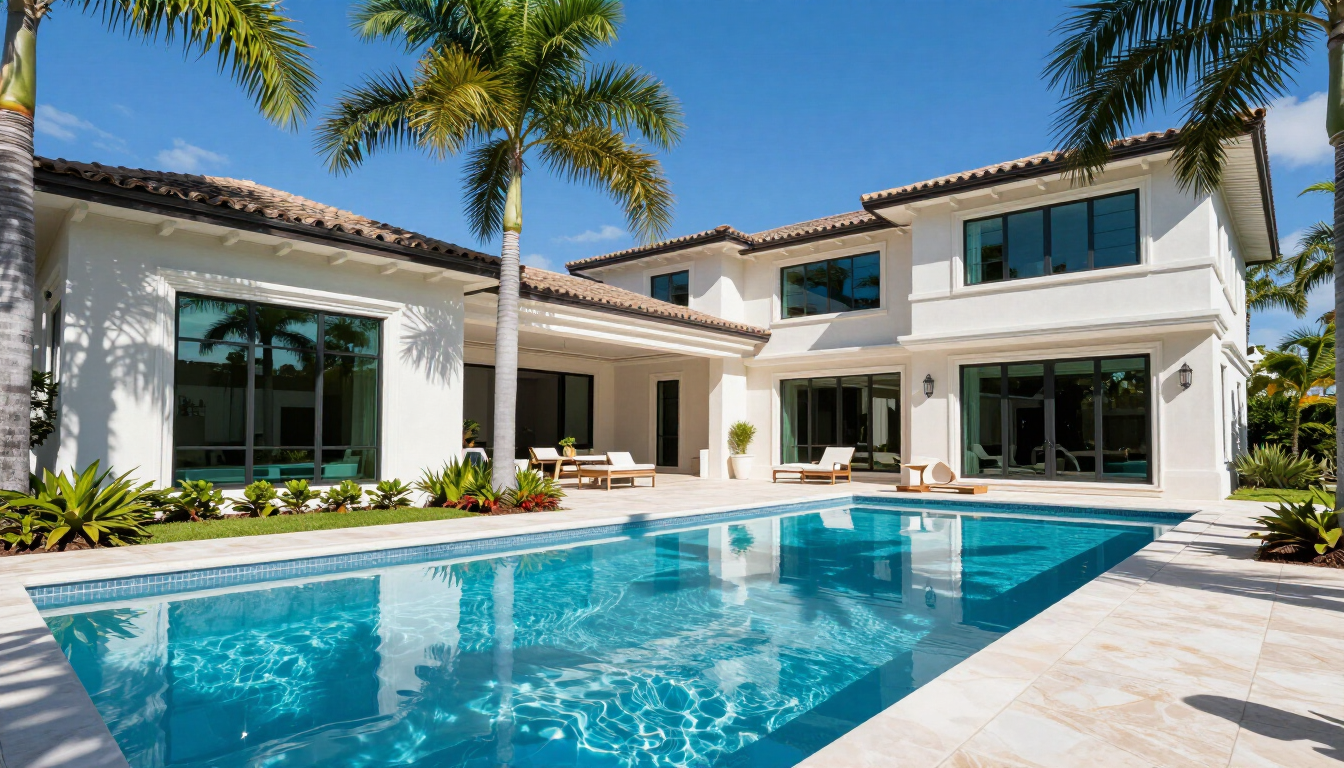
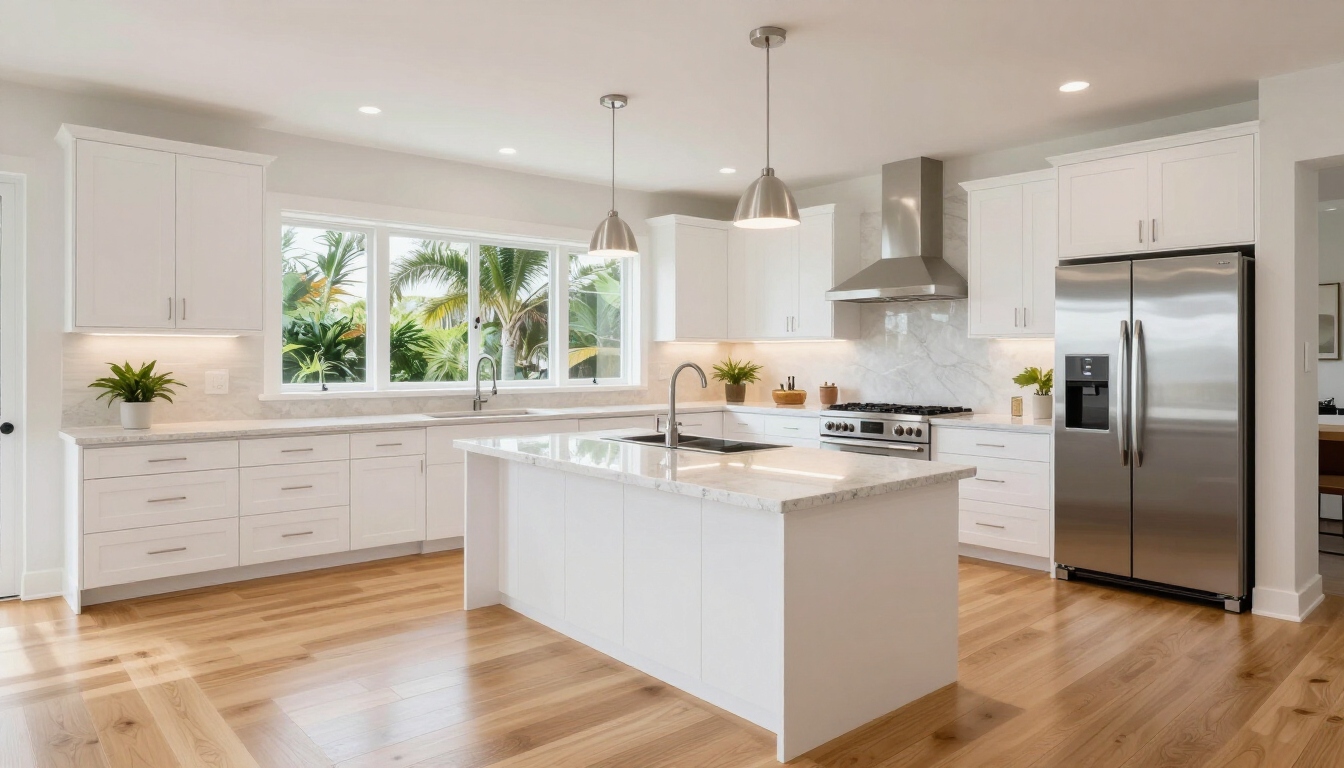
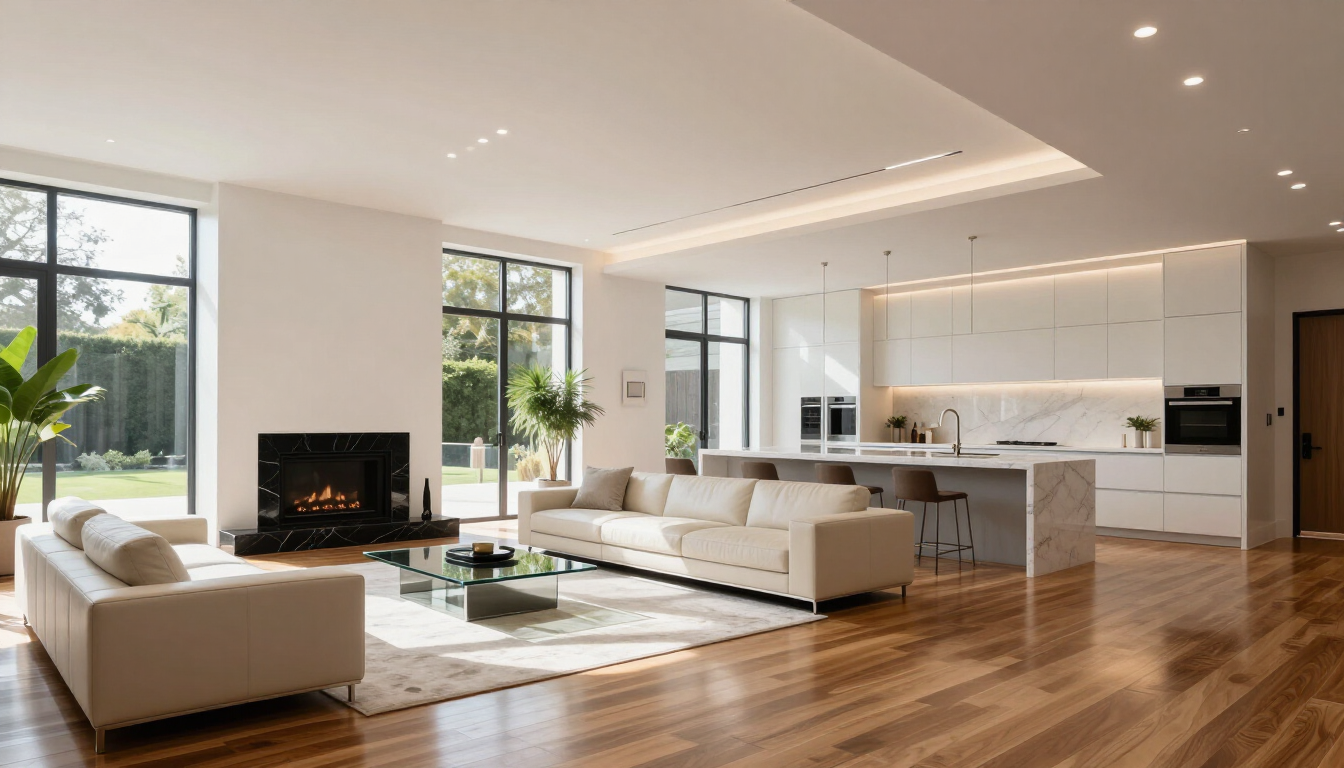
Buying a newly constructed home offers a level of financial predictability that is hard to replicate when building on your own. In a developer-led project, you are presented with a base price and a menu of upgrades. This allows for precise budgeting. Furthermore, modern developments often include community amenities that would be prohibitively expensive to build on a private lot, such as pools, fitness centers, and gated security.
One of the most significant advantages is the warranty. Most new homes come with a one-year builder warranty, a two-year mechanical warranty, and a ten-year structural warranty. If a pipe leaks or the AC fails in the first year of a new construction home, the builder covers it. On a custom build on raw land, you are responsible for managing subcontractors and chasing down individual warranties, which can be a logistical nightmare during the first year of homeownership.
Efficiency is another major factor. New homes built by large-scale developers are designed with the latest energy-efficient windows, insulation, and appliances. These builders purchase high-efficiency units in bulk, passing those savings on to you. For military families or busy professionals, the ability to move into a home that requires zero immediate maintenance is a value that goes beyond the literal dollar amount of the mortgage.
How do Florida land development costs impact your budget?
Florida's unique geography plays a massive role in land development costs. Because much of the state is at a low elevation, water management is a primary concern. On raw land, you must create a stormwater management plan that complies with state and local regulations. This might involve digging a retention pond or installing complex drainage systems to ensure your home doesn't flood during the hurricane season.
In addition to water management, you must consider the cost of "mucking." This is the process of removing organic material (like peat or thick roots) that cannot be built upon. Mucking a one-acre lot in a wooded area of North Florida can cost upwards of $10,000. These regional challenges make the price of raw land deceptive; a $50,000 lot can easily become a $100,000 "buildable" lot before the first brick is laid.
Building on your own land also requires a different type of financing. Most traditional lenders require a larger down payment (often 20-30%) for raw land loans compared to the 3-5% down payments available for new construction homes through FHA or VA programs. The interest rates on land loans and construction loans are also typically higher, adding a long-term cost to the project that many buyers overlook in the initial planning stages.
Making the Best Financial Choice for Your Future
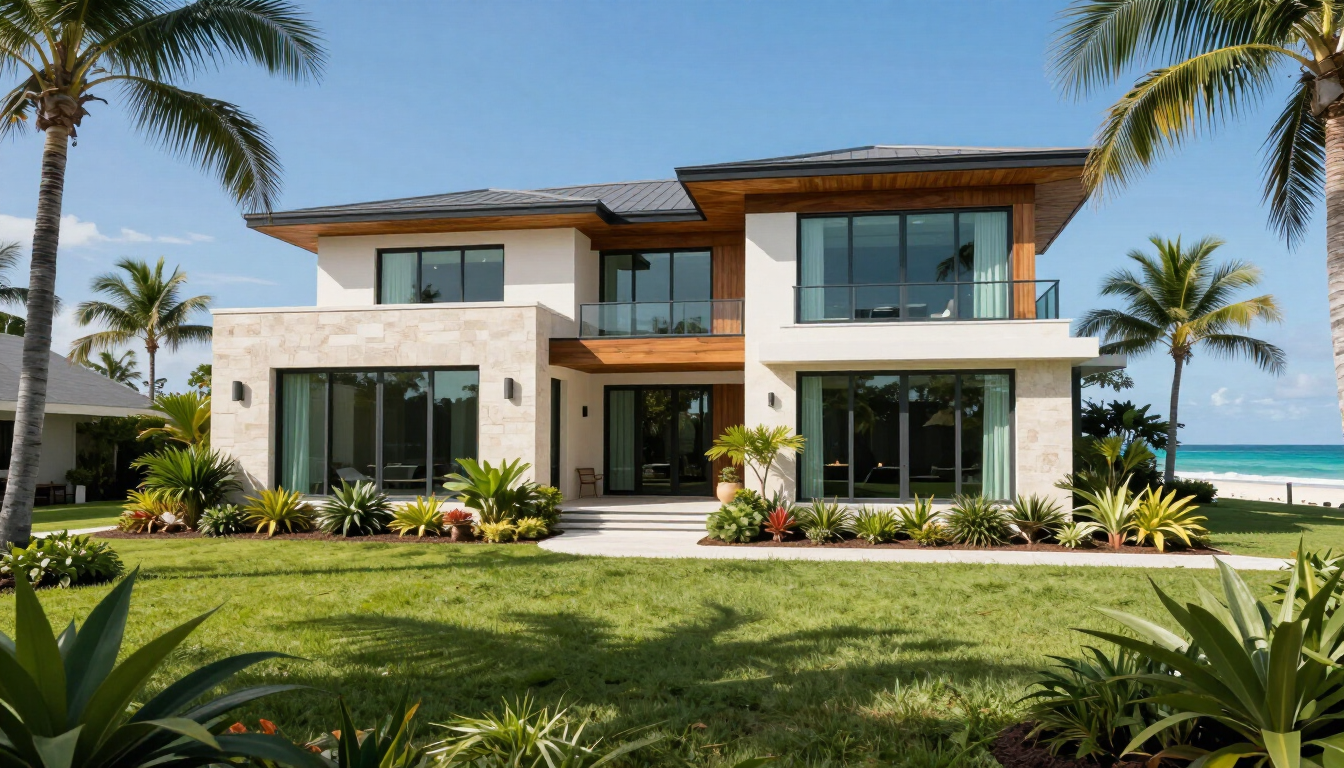
Deciding between building on raw land or buying a pre-built new home depends on your priorities: do you value total customization, or do you value convenience and cost-certainty? If you have a very specific vision and the financial liquidity to handle unexpected site costs, raw land offers a blank canvas. You can choose your exact orientation, preserve specific trees, and design a layout that perfectly fits your lifestyle.
However, for the vast majority of buyers, the newly constructed home is the superior financial move. You benefit from economies of scale, professional project management, and a simplified path to closing. If you are looking for a streamlined experience, exploring current listings for new construction is often the best first step. You can view our available services to see how we assist buyers in navigating these choices.
Ultimately, the "cheaper" option is almost always the newly constructed home in a developed community. The infrastructure costs are shared, the risks are mitigated by the builder, and the timeline is much more reliable. Before you commit to a piece of raw land, it is vital to perform extensive due diligence to ensure you aren't walking into a financial trap that will drain your construction budget before the house even begins to take shape.
Key Takeaways for Home Buyers
To wrap up, choosing between raw land and new construction is a decision that affects both your bank account and your stress levels. While the allure of a custom build is strong, the practical benefits of a developer-led home are hard to ignore. Keep these points in mind as you decide:
- Raw land requires substantial "soft costs" like permits and impact fees.
- Utility connections on rural land can cost over $20,000.
- New construction homes offer better financing and lower down payments.
- Developer-built homes include shared infrastructure and community amenities.
- Warranties on new homes provide a safety net that custom builds lack.
If you are ready to start your journey, feel free to contact me to discuss your specific needs. Whether you want to browse new builds or explore land opportunities in North Florida, having an expert by your side is the best way to ensure your investment is sound.