

Spot a Fully Renovated Home vs. Cosmetic Flip (2026)
A truly fully renovated home involves comprehensive structural, mechanical, and electrical updates, moving far beyond aesthetic changes. To distinguish a full rehab from a cosmetic flip, look past new paint and flooring to verify updated plumbing, modern wiring, permitted work, and newly replaced major systems like HVAC or roofing.
What is a fully renovated home?
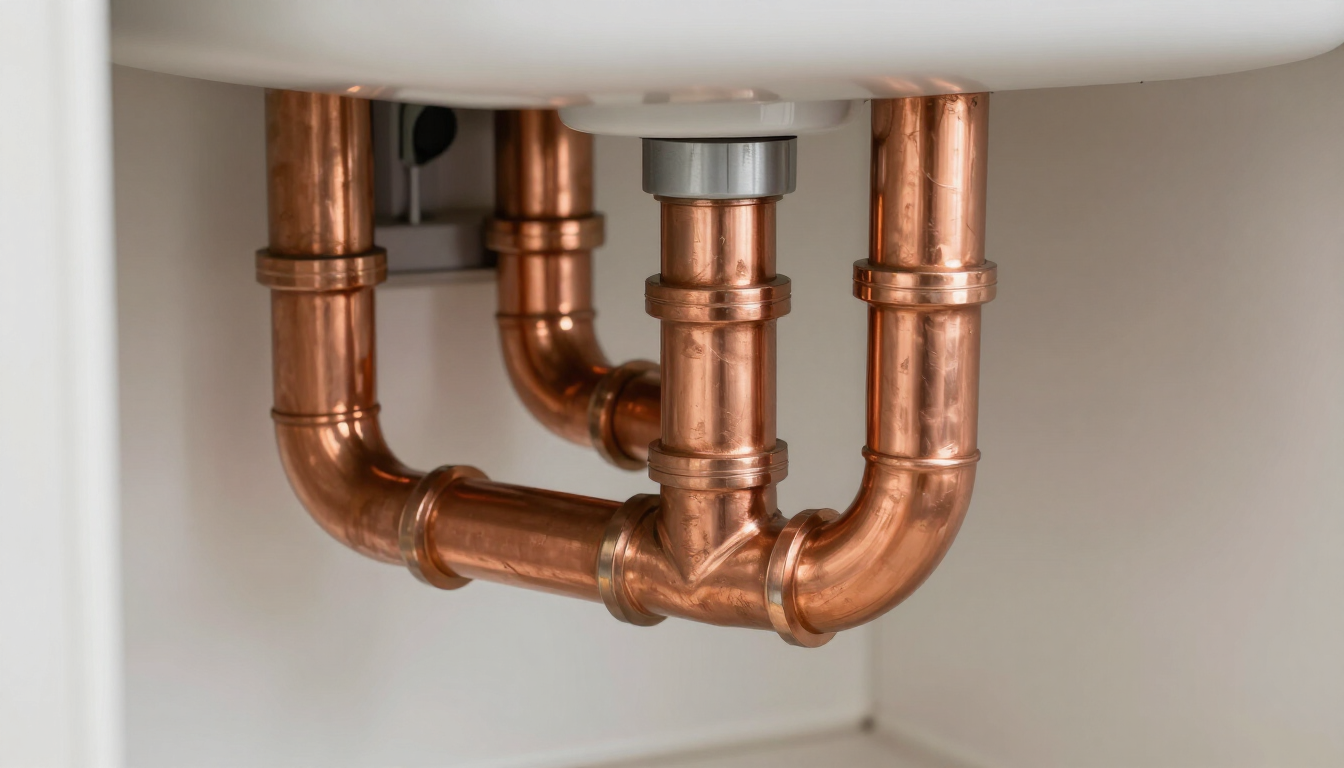
In the competitive Florida real estate market, the term "fully renovated" is often used loosely by sellers to attract attention. However, for a savvy buyer, the definition must be precise. A full renovation implies that the property has been stripped down to its essential components—often referred to as a "gut renovation"—and rebuilt to modern standards. This includes not just the visible surfaces but the invisible infrastructure that keeps a home safe and functional. When a home is truly renovated, you are looking at new electrical panels, updated PEX or copper plumbing, a modern HVAC system, and potentially a new roof or impact-resistant windows. These elements represent the "bones" of the house, and their replacement ensures that the homeowner won't face catastrophic repair bills shortly after closing.
For many new home buyers , the appeal of a move-in-ready property is undeniable. The convenience of not having to manage contractors or live through a construction zone justifies a higher purchase price. But a significant problem arises when a seller applies the "fully renovated" label to a property that has only received a cosmetic facelift. This is where understanding the nuances of construction becomes vital. A true renovation addresses the lifespan of every major component, ensuring the home complies with current building codes, which have evolved significantly in Florida over the last two decades. As you browse our current listings to find a home that suits your needs, keep in mind that the value lies beneath the surface.
The difference between a cosmetic flip and a full rehab
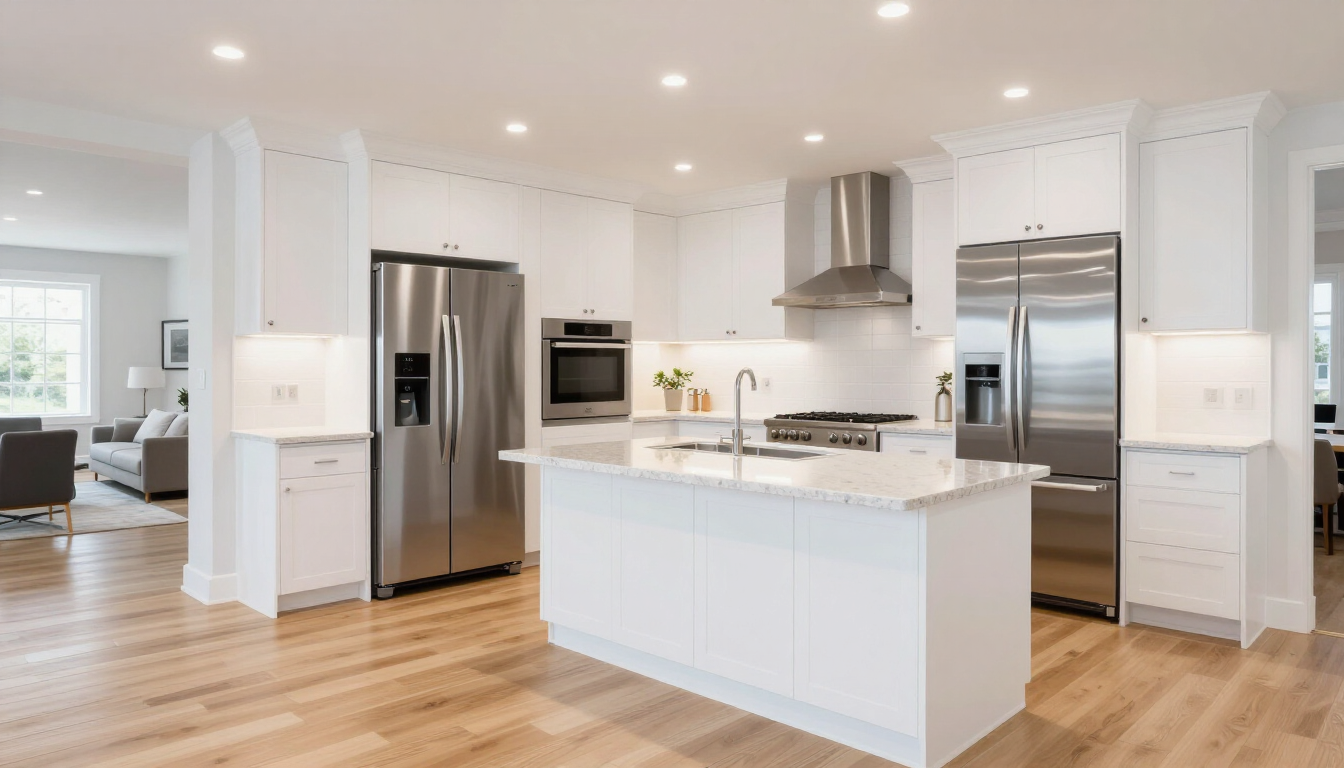
Distinguishing between a cosmetic flip and a full rehab is the most critical skill for a buyer in today’s market. A cosmetic flip is often referred to as a "lipstick on a pig" scenario. In these cases, investors focus exclusively on high-impact visual areas to maximize profit with minimal investment. They might install trendy luxury vinyl plank (LVP) flooring, spray-paint old cabinets, and add modern light fixtures. While these changes make the home look beautiful in photos, they do nothing to address aging galvanized pipes, outdated knob-and-tube wiring, or a cracked foundation. A cosmetic flip is about the appearance of quality, whereas a full rehab is about the existence of quality.
In a full rehab, the investor or homeowner takes a holistic approach. They recognize that a 1970s home in North Florida cannot support modern lifestyle demands without upgrading the electrical service to 200 amps. They understand that old cast-iron sewer lines are prone to collapse and must be replaced. When you explore our services , you will find that we emphasize due diligence to ensure you aren't overpaying for a surface-level upgrade. A full rehab adds long-term value and equity, whereas a cosmetic flip often hides liabilities that will emerge within the first few years of ownership.
How can you tell if a renovation is only surface-level?
Identifying a superficial renovation requires a keen eye for detail and a willingness to look in the places most people ignore. One of the first places to check is the electrical panel and the visible plumbing under the sinks. If the home claims to be fully renovated but still features an old Federal Pacific or Zinsco breaker panel, the renovation is incomplete. Similarly, look at the transition points where new materials meet old ones. Are the baseboards neatly installed, or are there gaps filled with excessive caulk? Are the outlets and switches new, or just covered with new plastic plates?
Another red flag is the quality of the appliances and fixtures. In a high-quality renovation, you will typically see reputable brands and consistent finishes. In a cheap flip, you might notice "off-brand" appliances or mismatched hardware. Pay close attention to the following indicators of a superficial job:
- Painted Cabinets: If the kitchen cabinets are original but simply painted, they may chip or peel quickly under heavy use.
- Overspray: Look for paint on hinges, outlets, or window seals, which indicates a rushed, low-budget paint job.
- Uneven Flooring: LVP or tile laid over an unlevel subfloor will eventually crack, pop, or feel "bouncy" when you walk on it.
- Mismatched Trim: Using different styles of molding in different rooms suggests a piecemeal approach to the renovation.
- Cover-up Panels: Look for new drywall or paneling that seems out of place, as it may be hiding mold or water damage.
Essential indicators of a high-quality full rehab
A high-quality full rehab is characterized by transparency and thoroughness. When a developer does the job right, they are proud to show off the work that is now hidden behind the walls. They will often provide a list of replaced systems and the warranties associated with them. One of the most telling signs of a quality rehab is the presence of new windows and doors. In Florida, replacing old single-pane windows with modern, energy-efficient, or impact-rated versions is a massive expense that flippers often skip. If a home has new windows throughout, it is a strong signal that the renovator was committed to a total transformation.
Furthermore, check the attic and the crawlspace (if applicable). A true renovation will include updated insulation, which is crucial for Florida’s climate and energy efficiency. You should also see new ductwork for the HVAC system. Old ducts can harbor decades of dust, mold, and allergens; a full rehabber knows that a new AC unit is only as good as the air delivery system it is connected to. When these "invisible" areas are clean, organized, and modernized, you can have much higher confidence in the integrity of the entire project.
Why should you check permits for renovated homes in Florida?
In the state of Florida, major renovations—including electrical, plumbing, structural, and mechanical work—require permits from the local building department. Checking the permit history is the single most effective way to verify if a home is truly renovated or just flipped. If a seller claims the home has "all new electrical and plumbing," there should be a corresponding permit that was applied for, inspected, and closed by a city or county official. If no permits exist for a home that appears completely different from its original state, the work was likely done by unlicensed individuals, which poses a significant safety and insurance risk.
Unpermitted work can lead to a host of problems for the new owner. Most importantly, insurance companies in Florida are becoming increasingly strict. If an inspector finds unpermitted major systems, the insurance company may refuse to issue a policy or charge a prohibitively high premium. Furthermore, if a fire or flood occurs due to unpermitted work, the insurance company may deny the claim entirely. Always ask for the permit numbers and verify them through the local municipality's online portal before making an offer. This step is a non-negotiable part of the process when you work with Maria Martinez De Leon to ensure your investment is protected.
Practical steps for buyers to verify renovation quality
Beyond checking permits, buyers should take an active role during the showing and inspection periods. Don't be afraid to test everything. Turn on all the faucets at once to check water pressure and drainage. Flush the toilets multiple times. Run the dishwasher and the laundry machines. A cosmetic flip might look great, but the moment you put stress on the systems, the cracks begin to show. A high-quality renovation should handle these tests with ease, showing no signs of leaks or slow drains.
You should also hire a highly qualified home inspector who specializes in older homes that have been updated. Tell your inspector specifically that the home is marketed as "fully renovated" and you want them to verify the age and condition of the roof, HVAC, plumbing, and electrical systems. A standard inspection is good, but a "Four-Point Inspection" is often required for insurance in Florida and will give you a clear breakdown of these four critical systems. Consider these steps during your due diligence phase:
- Request a Scope of Work: Ask the seller for a detailed list of all renovations performed and the contractors used.
- Verify Warranties: Ensure that warranties for the roof, HVAC, and appliances are transferable to you as the new owner.
- Check the Age of the Roof: Even if it looks new, verify the permit date; a "cleaned" roof can look new but be near the end of its life.
- Look for Foundation Repairs: Check for signs of recent patching in the foundation or exterior stucco that might hide structural settling.
- Ask for Receipts: Legitimate renovators keep records of their major purchases and professional labor.
The true cost of a "lipstick on a pig" renovation
Buying a home that has been superficially flipped can be a financial disaster. While the initial purchase price might seem fair for a "renovated" home, the deferred maintenance costs will eventually come due. If the previous owner ignored a leaking pipe and simply covered the water-damaged drywall with a new vanity, you will eventually face mold remediation and structural repairs. These costs are often two to three times higher than the cost of doing the job correctly in the first place because you must tear out the "new" cosmetic work to reach the underlying problem. Protecting yourself means being skeptical of perfection and prioritizing the systems that provide safety and longevity over the ones that provide aesthetic appeal.
In conclusion, a fully renovated home should offer peace of mind, not just a pretty backdrop for photos. By distinguishing between cosmetic changes and structural rehabs, checking permit histories, and conducting thorough inspections, you can ensure that your Florida home is a sound investment. Whether you are looking to list your property or are just beginning your search, understanding these differences is essential for success in the modern real estate landscape.
Key Takeaways for Buyers and Sellers
- Definition Matters: A full renovation must include structural, electrical, and mechanical upgrades to be truly "full."
- Permits are Proof: Never accept a seller's word on renovations without verified building permits from the county.
- Inspect the Invisible: Focus your attention on the attic, crawlspace, and electrical panels rather than just the kitchen finishes.
- Insurance Risks: Unpermitted work can lead to insurance denials or massive premium hikes in the Florida market.
- Value vs. Price: A home with older systems and a fresh coat of paint is not worth the same as a gut-renovated property.
If you are ready to take the next step in your real estate journey, we are here to help you navigate these complexities with professional expertise. Please feel free to contact us today to discuss your goals, or visit our diversity and professionalism page to learn more about our commitment to excellence in the North Florida community.