
5 Essential Property Inspection Types Every Buyer Needs in 2026
A property inspection is a comprehensive visual assessment of a building’s structural and mechanical condition. The specific property inspection types required depend on the property's age, location, and structure. These evaluations identify safety issues, necessary repairs, and potential future costs, ensuring buyers make informed and secure real estate investments.
What is a standard residential home inspection?
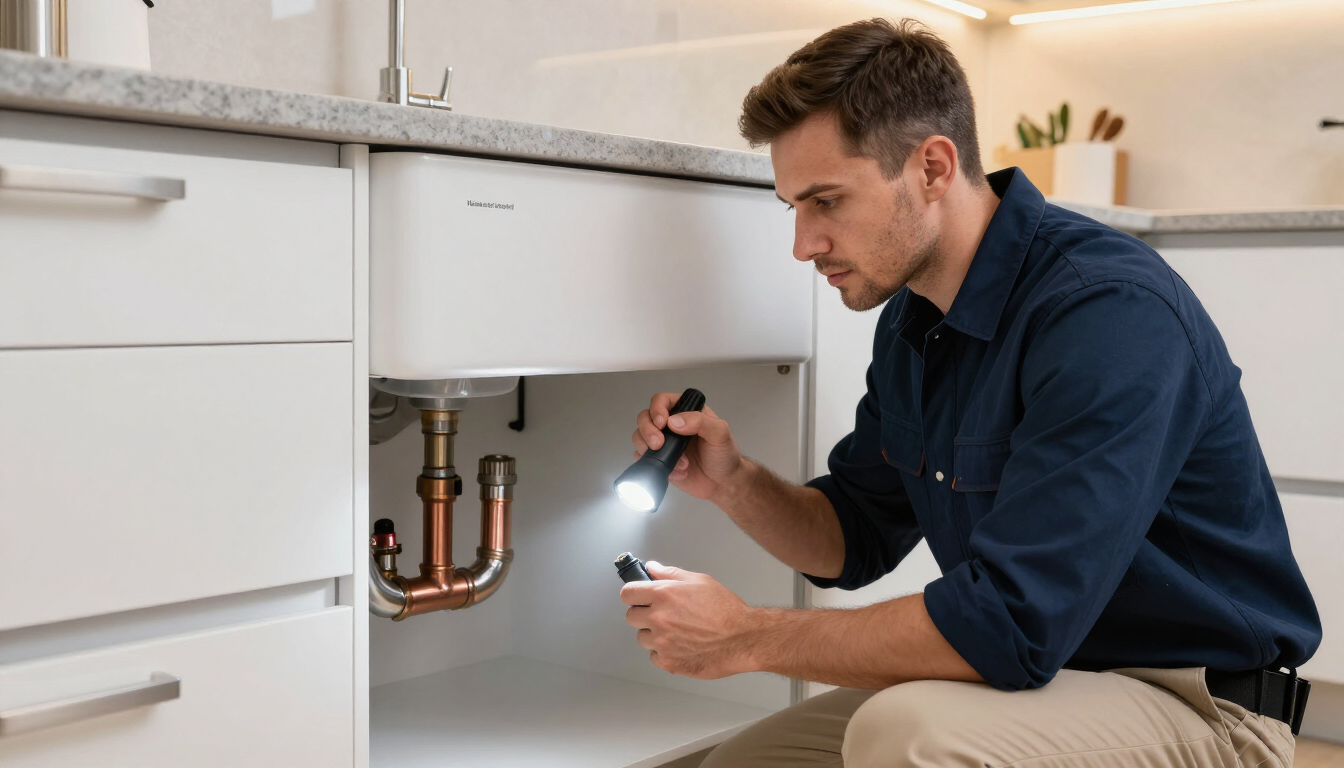
A standard residential home inspection is the most common type of evaluation for New Home Buyers . This assessment covers the overall condition of the home from the foundation to the roof. An inspector will walk through the property to examine visible and accessible components, looking for signs of wear, damage, or malfunction.
During this process, the inspector evaluates several critical systems. These systems are the backbone of any residential property and require a professional eye to ensure they meet modern safety standards. A typical report will detail the current state of these areas:
- Exterior siding, windows, and doors
- Roofing materials and drainage systems
- Attic insulation and visible structural framing
- Interior plumbing and electrical fixtures
- Heating, ventilation, and air conditioning (HVAC)
Buying a home is one of the largest financial decisions you will make. Having a general inspection provides a baseline of the home's health. If the inspector finds issues like a leaking water heater or an outdated electrical panel, you can use that information to negotiate repairs or a price reduction. For those looking to Find A Home in Florida, understanding these basics is the first step toward a successful closing.
Why do condos require different inspection types?
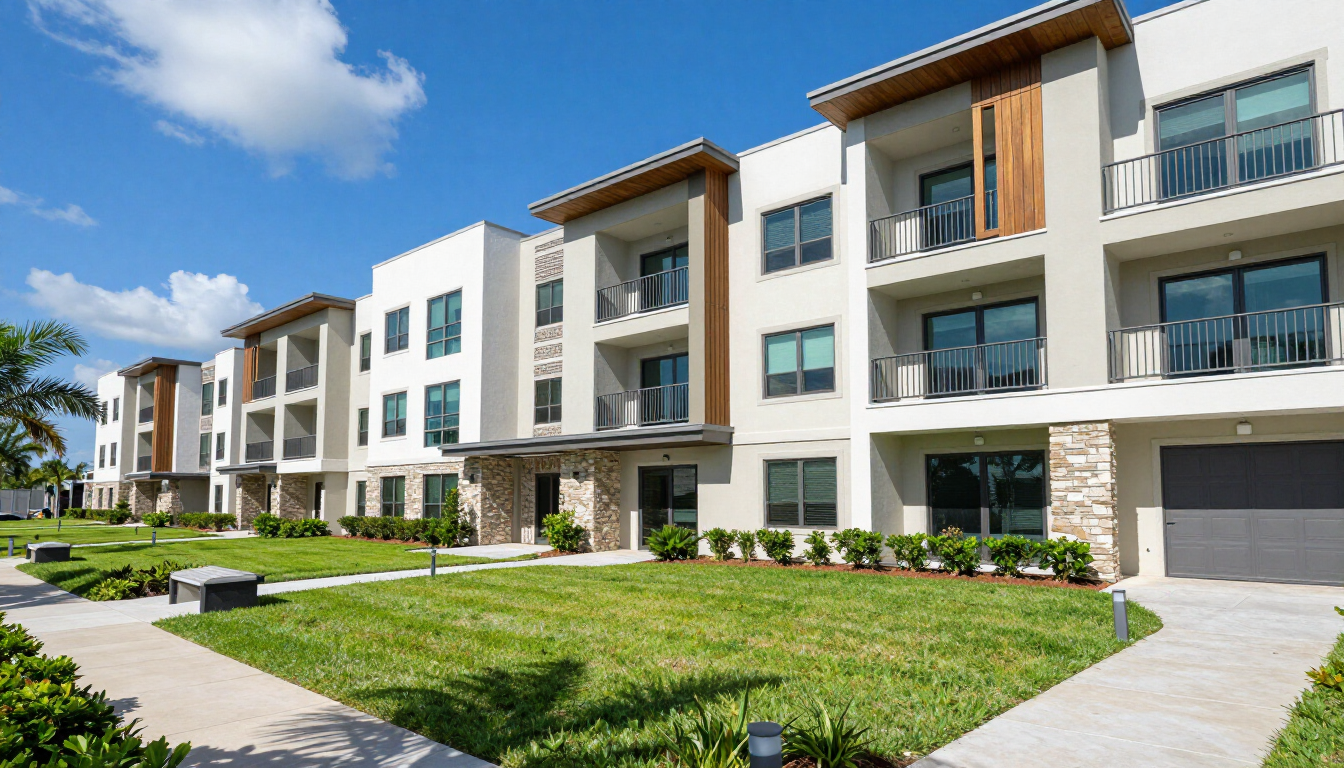
When purchasing a condominium, the scope of the inspection shifts significantly compared to a detached single-family home. Since the condo association is typically responsible for the exterior walls, roof, and common areas, your personal inspection focuses on the "walls-in" components. However, this does not mean the inspection is less important.
Condo buyers must ensure that the specific units’ internal systems are functioning correctly. For example, in high-rise buildings, water leaks from units above can cause hidden damage. An inspector will check the individual HVAC unit serving the condo, the water shut-off valves, and the electrical sub-panel. They also look for evidence of moisture intrusion around balcony doors and windows.
It is also wise for condo buyers to review the association’s recent "milestone inspections" or structural integrity reserve studies. In Florida, these are increasingly common requirements for older buildings to ensure the entire structure is safe for residents. While your individual inspection covers your living space, the health of the entire building affects your property value and future assessments.
How does a four-point inspection protect Florida buyers?
In Florida, insurance companies often require a specialized evaluation known as a four-point inspection, particularly for homes older than 20 or 30 years. This is one of the most vital property inspection types because it directly impacts your ability to secure homeowners' insurance. Without a passing four-point report, many carriers will deny coverage or charge significantly higher premiums.
This inspection is narrower in scope than a general home inspection. It focuses exclusively on the four systems most likely to cause insurance claims. If these systems are outdated or in poor condition, they pose a high risk of fire or water damage. The four points examined include:
- Roofing : Assessing age, condition, and remaining life expectancy.
- Electrical : Identifying hazardous wiring like aluminum or knob-and-tube.
- Plumbing : Checking for leak-prone materials like polybutylene pipes.
- HVAC : Ensuring the heating and cooling systems are functional and safe.
For military families relocating to Florida, these inspections are crucial for budgeting. Knowing that a roof needs replacement within a year can change the financial outlook of a purchase. Always ask your real estate agent if the property you are interested in will require this specific report for insurance purposes.
Why is a wind mitigation inspection beneficial?
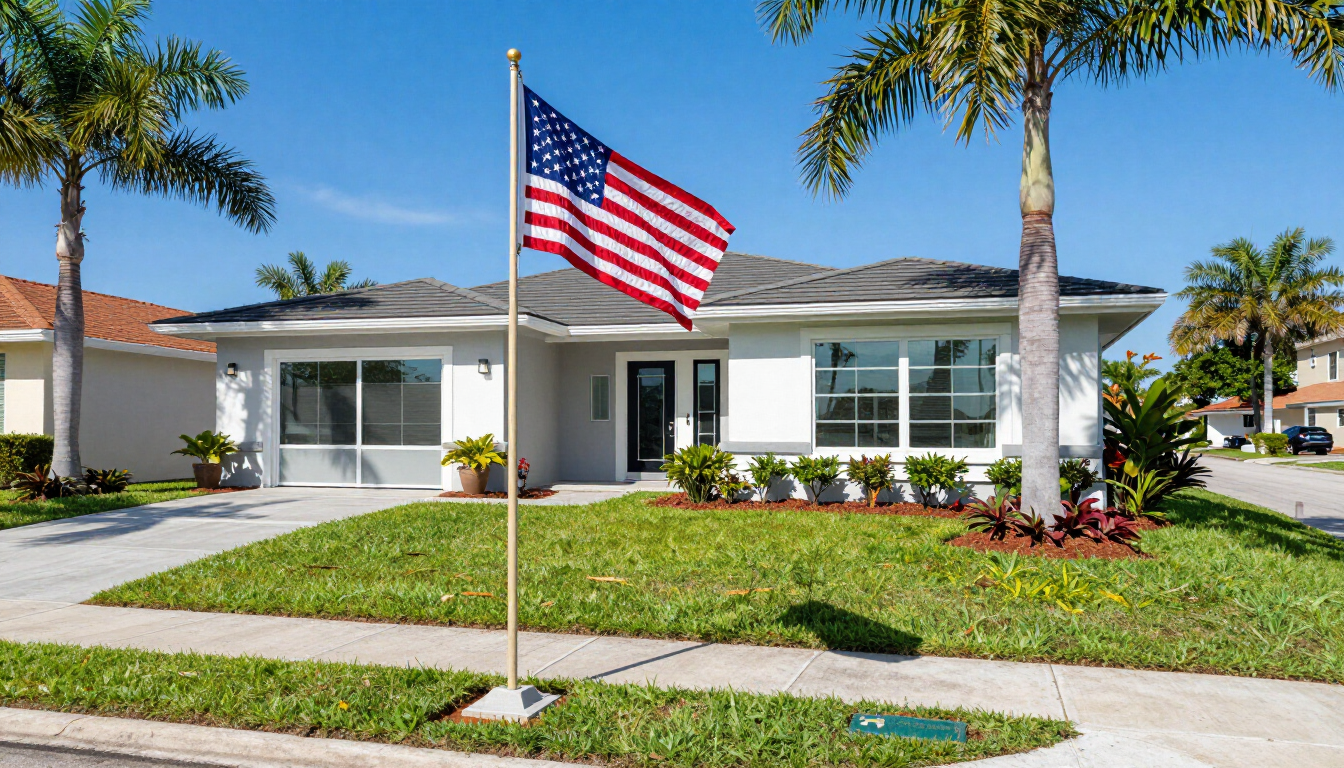
A wind mitigation inspection is a specialized assessment of a home's ability to withstand strong winds and hurricanes. In coastal states like Florida, this is a highly recommended property inspection type for all buyers, regardless of the home's age. It focuses on construction features that reduce losses during a windstorm.
Unlike other inspections that identify problems, a wind mitigation report is designed to identify "credits." If your home has specific features, you can receive substantial discounts on your windstorm insurance premiums. The inspector will verify features such as the shape of the roof (hip roofs often get better rates), the strength of the roof-to-wall connections (clips or straps), and the presence of impact-resistant windows or shutters.
Critical Pests and Wood-Destroying Organisms
No property inspection guide is complete without mentioning Wood-Destroying Organisms (WDO), commonly referred to as a termite inspection. In warm, humid climates, termites and other wood-boring insects can cause thousands of dollars in structural damage before they are even noticed by the naked eye. This is a critical step for both single-family homes and townhomes.
A WDO inspection looks for more than just live termites. The professional will search for evidence of past infestations, wood decay (rot), and conditions that might attract pests, such as soil touching the wood siding. Most lenders require a clear WDO report before they will finalize a mortgage loan. It provides peace of mind that the structure of your new home is sound and free from silent destroyers.
Specialized Property Inspection Types for Unique Features
Beyond the standard and insurance-required evaluations, some properties have unique features that necessitate specialized property inspection types. If you are looking at luxury estates or rural properties, you may need to hire additional experts to ensure every aspect of the home is vetted. These specialized inspections go beyond the training of a general home inspector.
For example, homes with private swimming pools or spas should always have a dedicated pool inspection. This covers the pump's functionality, the integrity of the pool surface, and the safety of the electrical lighting underwater. Similarly, waterfront properties in Florida might require a seawall or dock inspection to check for erosion or structural failure caused by salt water and tides.
Other specialized inspections include:
- Mold Inspections : Essential if there is a history of water leaks or a musty odor.
- Sewer Scopes : Using a camera to check the main waste line for collapses or roots.
- Radon Testing : Measuring levels of a naturally occurring radioactive gas in the air.
- Lead Paint/Asbestos : Often necessary for homes built before 1978.
- Well and Septic : Critical for properties not connected to municipal water and sewer.
If you are interested in a property with these features, check our Services page to see how we can help coordinate these experts. Ensuring these systems are functional before closing prevents unexpected expenses that can arise shortly after moving in.
Should you inspect a new construction home?
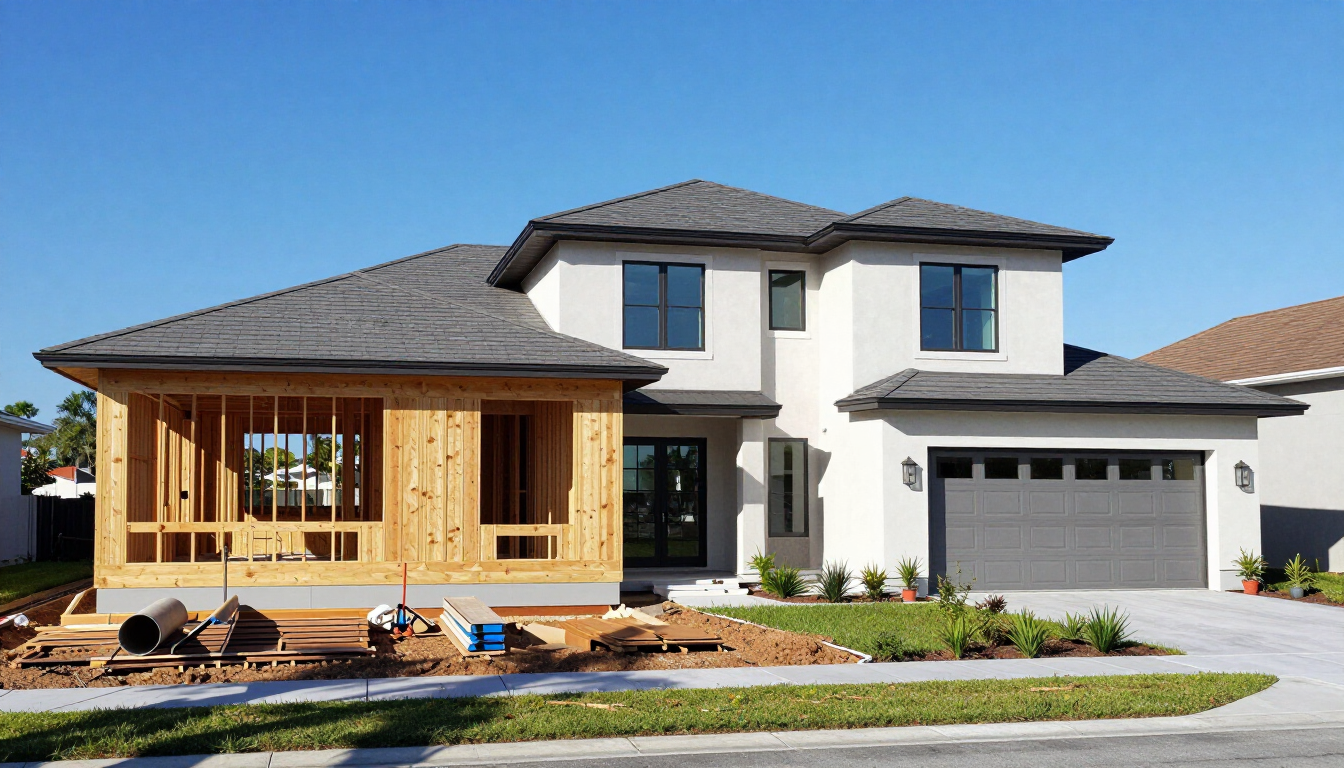
A common misconception among buyers is that new construction homes do not need inspections because they are "new" and built to current codes. However, even the best builders can make mistakes. A new construction inspection serves as a quality control check, identifying issues like missing insulation, improperly installed shingles, or plumbing leaks that occurred during the build process.
Many buyers choose a phased inspection approach for new builds. This involves a pre-drywall inspection to see the framing and wiring before they are covered, and a final walkthrough inspection before the builder hands over the keys. Identifying these issues early allows the builder to fix them while their crews are still on-site, ensuring your brand-new home is truly move-in ready.
Choosing the Right Professional for the Job
Selecting the right inspector is as important as the inspection itself. You want a professional who is licensed, insured, and experienced with the specific property type you are buying. Don't be afraid to ask for a sample report to see how detailed their findings are. A good inspector will not only find problems but will also take the time to explain how to maintain the home’s systems in the future.
In our commitment to Diversity and Professionalism , we recommend working with inspectors who provide clear, objective data. Their role is to give you the facts so you can make a decision based on logic rather than emotion. If you have questions about which inspections are right for a specific listing, you can always reach out via our Contact page for guidance.
Summary of Essential Property Inspections
Navigating the various property inspection types is a vital part of the due diligence process for any home buyer. By understanding which evaluations are necessary for your specific property style—whether it’s a modern condo, a historic Florida bungalow, or a new construction masterpiece—you protect both your safety and your finances. Remember that an inspection is an investment in your future peace of mind.
Key takeaways for your next purchase:
- Always start with a general home inspection for a full health check.
- Prioritize four-point and wind mitigation reports for insurance savings in Florida.
- Schedule a WDO (termite) inspection to protect the home's structural integrity.
- Don't skip inspections on new construction homes; builders can make errors.
- Hire specialists for unique features like pools, seawalls, or septic systems.
Following this guide will ensure you enter your closing with a clear understanding of your property's condition and the confidence to move forward with your investment.