

7 Essential Raw Land Inspections Before Buying

July 5, 2026

To successfully buy raw land, you must conduct seven essential inspections: boundary and topographic surveys, soil (perc) tests, environmental site assessments, zoning and land use reviews, utility availability checks, water/well feasibility studies, and flood zone or wetland delineations. These verify the land's buildability and legal status.

Buying raw land is often seen as a simpler alternative to purchasing a developed home, but the reality is that the due diligence process for undeveloped property is significantly more complex. When there is no existing structure, the responsibility falls entirely on the buyer to determine if the land can actually support the intended use. Whether you are looking at New Home Buyers programs or searching for a private retreat, understanding these inspections is critical to protecting your investment.

Why are raw land inspections necessary?

Raw land inspections are the only way to uncover hidden physical or legal barriers that could prevent construction or drastically increase costs. Unlike a traditional home inspection that focuses on plumbing and roofing, land inspections evaluate the soil, the water table, the property lines, and government restrictions. Without these checks, you risk buying a "paper lot"—a piece of land that looks good on a map but is legally or physically impossible to build on due to environmental regulations or lack of infrastructure.

By conducting thorough raw land inspections, you shift the risk from yourself back to the seller or the land itself. Most land purchase agreements include a "feasibility period" or "due diligence period," during which you have the right to conduct these tests and potentially back out of the deal if the results are unsatisfactory. This period is your window of opportunity to ensure the land matches your vision for its future.

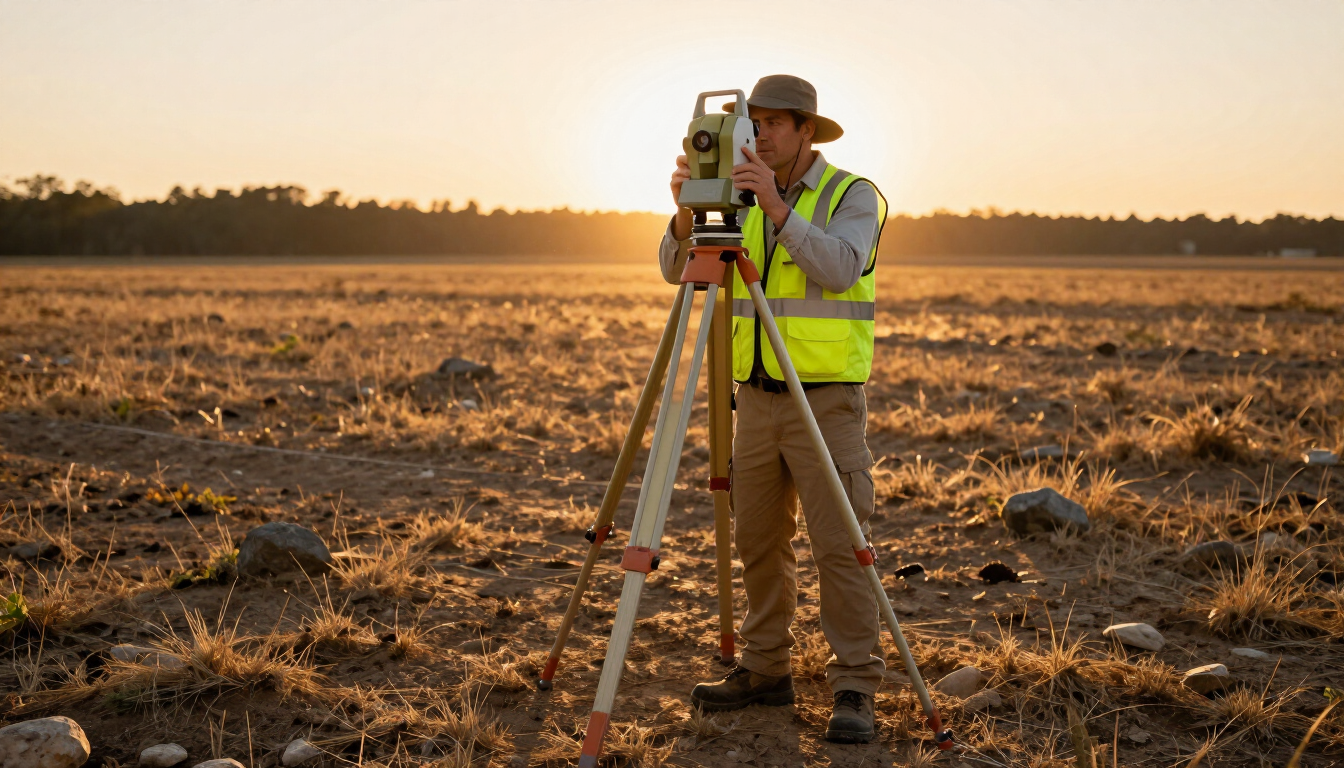
Land Surveying Process

Land Boundary and Topographic Surveys

A boundary survey is the most fundamental of all raw land inspections. It establishes the exact legal limits of the property, identifying markers and pins that may have been lost or moved over time. For Find A Home seekers looking at large acreage, a survey prevents costly neighbor disputes and ensures that any fences or structures you build are actually on your land.

Beyond boundaries, a topographic survey provides data on the land's elevation and physical features. This is vital for:

  • Determining the best location for a foundation
  • Planning for drainage and runoff management
  • Identifying steep slopes that might require expensive grading
  • Mapping out road or driveway access points

What is a Perc Test and why do you need it?

If the raw land you are considering does not have access to a municipal sewer system, a percolation test (perc test) is non-negotiable. This soil test measures the rate at which water drains through the ground. The results determine if the land can support a private septic system.

A failed perc test often means the land is unbuildable for residential purposes. Even if it passes, the results will dictate the type of septic system required; a "slow" drain might necessitate a more expensive aerobic or mound system instead of a traditional gravity-fed leach field.

Soil Testing

Environmental Site Assessments (ESA)

Environmental site assessments are designed to identify potential contamination or ecological restrictions. A Phase I ESA involves researching historical records of the property to see if it was ever used for industrial purposes, a gas station, or a landfill. If red flags appear, a Phase II ESA involves taking actual samples of the soil and groundwater to test for toxins.

For many buyers, the more common environmental concern is protected species. If the land is home to endangered plants or animals, federal and state laws may prohibit development. In Florida, for example, the presence of Gopher Tortoises can lead to significant delays and relocation costs before any clearing can begin.

How do zoning laws affect your land purchase?

Zoning and land use inspections involve visiting the local planning department to verify that your intended use for the land is legal. Just because a property is "residential" doesn't mean you can build any type of home. Zoning ordinances often dictate:

  • Minimum and maximum square footage
  • Setback requirements (how far from the road or neighbors you must build)
  • Height restrictions
  • Permission for accessory buildings like barns or workshops
  • The ability to keep livestock or run a home-based business

Always check for any future land-use maps as well. You don't want to buy a quiet piece of land only to find out the county has planned a major four-lane highway or an industrial park on the adjacent lot five years from now.

Utility Access and Connectivity

One of the most expensive mistakes a raw land buyer can make is assuming that utilities are "at the street." Even if power lines run past the property, the cost to drop a transformer or run lines to your specific build site can be thousands of dollars. Your raw land inspections should include reaching out to local utility companies for "will-serve" letters.

  • Electricity : Confirm the distance to the nearest pole.
  • Water : If no municipal water is available, you will need to drill a well.
  • Internet/Fiber : In rural areas, high-speed internet is not a guarantee.
  • Gas : Determine if you will need a propane tank or if natural gas is available.

What are the requirements for water and septic?

When municipal services are unavailable, your land must be self-sufficient. A well-drilling feasibility study involves checking the depth of the water table in the area and the quality of the water. You should also consider:

  1. Flow Rate : Is there enough water to support a household's daily needs?
  2. Water Quality : Are there high levels of sulfur, iron, or other contaminants?
  3. Permitting : Does the local water management district have restrictions on well placement?

Septic permits are usually issued based on the perc test mentioned earlier. However, you must also ensure there is enough space on the lot to maintain the required distance between your well and your septic drain field to prevent contamination.

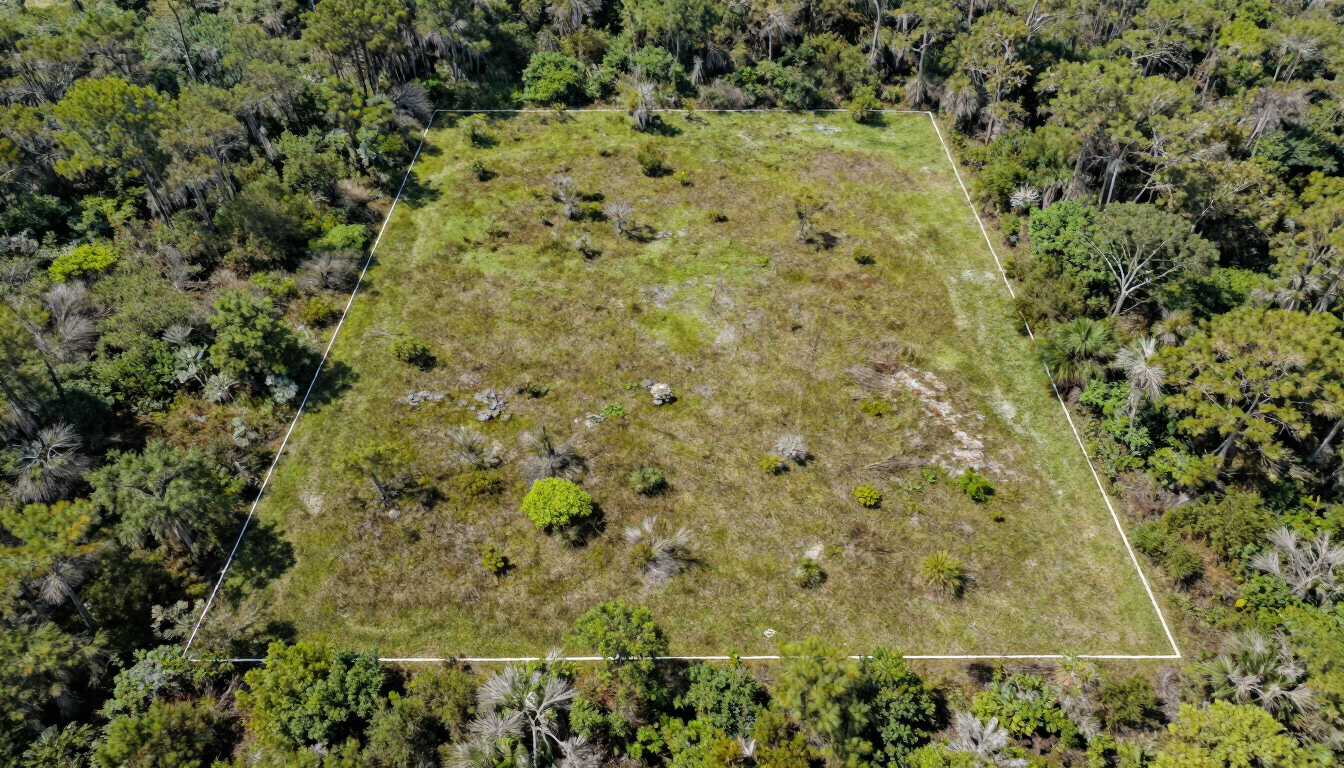
Aerial Land View

Geological and Geotechnical Studies

While topographic surveys look at the surface, geotechnical studies look beneath it. This is especially important if you plan to build a heavy structure or if the land has visible rock outcroppings or marshy areas. A geotechnical engineer will take core samples to ensure the soil can bear the weight of a foundation without shifting or sinking. In regions prone to sinkholes or seismic activity, this is an essential safety inspection that no buyer should skip.

Does the land have flood risk or wetlands?

Wetlands are protected by strict federal and state regulations. If your land contains wetlands, you may be unable to build on those specific portions, or you may be required to pay for expensive mitigation credits to offset the impact of your construction.

Flood zone designations also impact your long-term costs. If the land is in a high-risk flood zone, you will be required to carry expensive flood insurance if you have a mortgage, and you may be forced to build the home on an elevated foundation. Check the latest FEMA flood maps during your due diligence period.

Summary: Your Raw Land Inspection Checklist

Navigating the purchase of undeveloped property requires a systematic approach to risk management. By following a structured inspection process, you ensure that the land you buy today can actually become the home you build tomorrow. Use this checklist as your guide:

  • Boundary Survey : Confirm legal lines and acreage.
  • Perc Test : Verify septic system viability.
  • Zoning Review : Ensure your build plans match local laws.
  • Utility Quote : Get written estimates for connecting power and water.
  • Wetland Delineation : Identify protected areas before you clear.

If you have questions about specific parcels or need a professional recommendation for local inspectors, please Contact us today. We are here to help you navigate the complexities of Florida land ownership with confidence and clarity.

Taking the time to perform these raw land inspections is not just a formality; it is a critical investment in your future peace of mind. While the costs of these tests can add up, they are a fraction of the cost of buying a property that you ultimately cannot use. Protect your vision, your budget, and your future by doing the work before you sign the final closing documents.

Modern renovated kitchen interior showing high quality finishes
July 5, 2026
Learn to distinguish between a cosmetic flip and a full rehab. Identify red flags in 'fully renovated' real estate to protect your Florida home investment.

A beautiful Florida home with a private backyard swimming pool and palm trees.
July 5, 2026
Buying a home in Florida? Compare the pros and cons of homes with and without pools to determine resale value, maintenance costs, and lifestyle benefits for buyers and sellers.
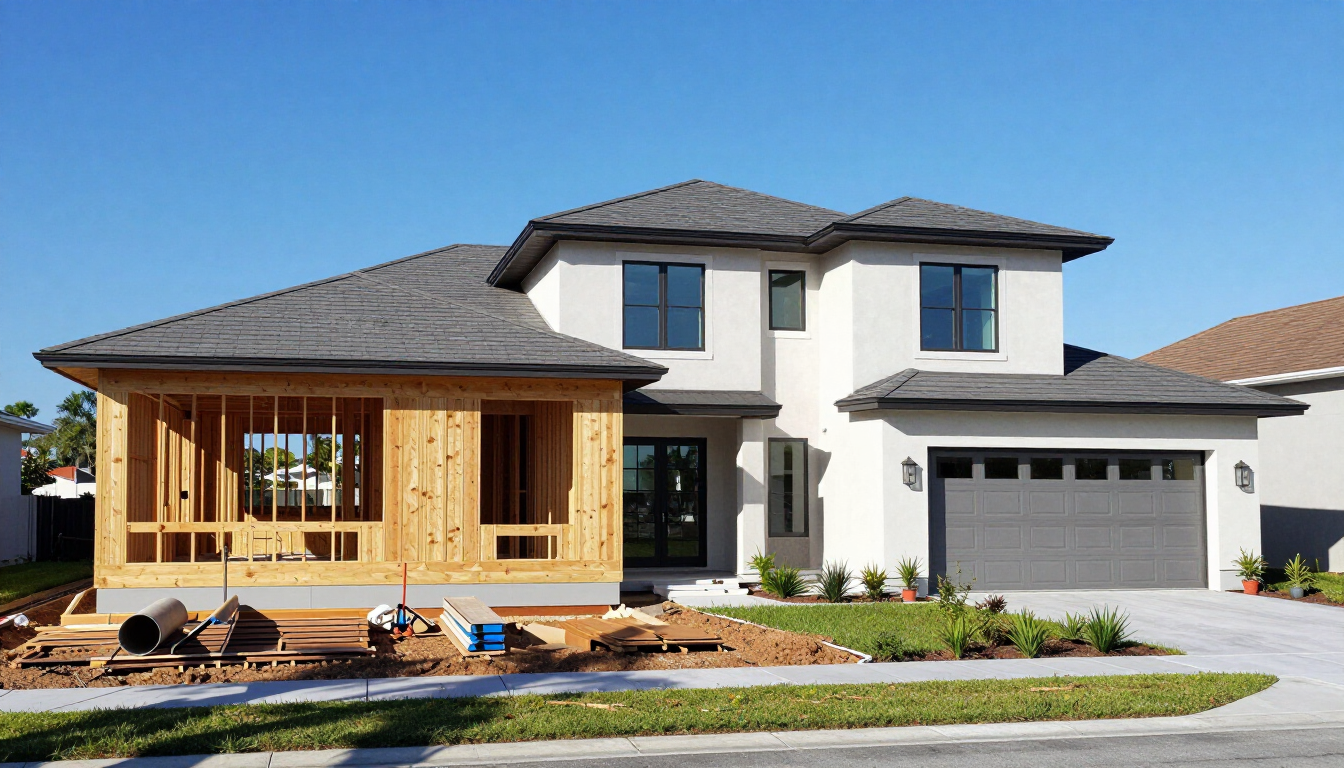
New home construction site in Florida comparison
July 5, 2026
Compare the costs of building on raw land versus buying a newly constructed home in Florida. Learn about site prep, utility hookups, and hidden fees.

Professional home inspector examining a house for a buyer.
July 5, 2026
Discover the critical property inspection types every Florida buyer needs. From wind mitigation to mold checks, ensure your real estate investment is safe.

A family preparing for a state-to-state move with cardboard boxes.
July 2, 2026
Planning a state-to-state move? This guide covers the 10 essential things to do when relocating, from budgeting and packing to finding a new home in Florida.
Military family home in Florida
June 22, 2026
Moving to Florida for a PCS? Discover how to navigate the Florida real estate market with VA loans and military-friendly support from Maria Martinez De Leon.
Modern residential building in Florida representing property management services.
June 22, 2026
Discover how professional property management services can help Florida landlords maximize ROI, handle tenant screening, and maintain compliance in 2026.

Modern home in North Florida real estate market
June 22, 2026
Expert guide on buying a home in Jacksonville and Palm Coast, Florida. Discover top neighborhoods, market trends, and financial tips for North Florida buyers in 2026.